Why the World Is Turning to Peshtemal Towels
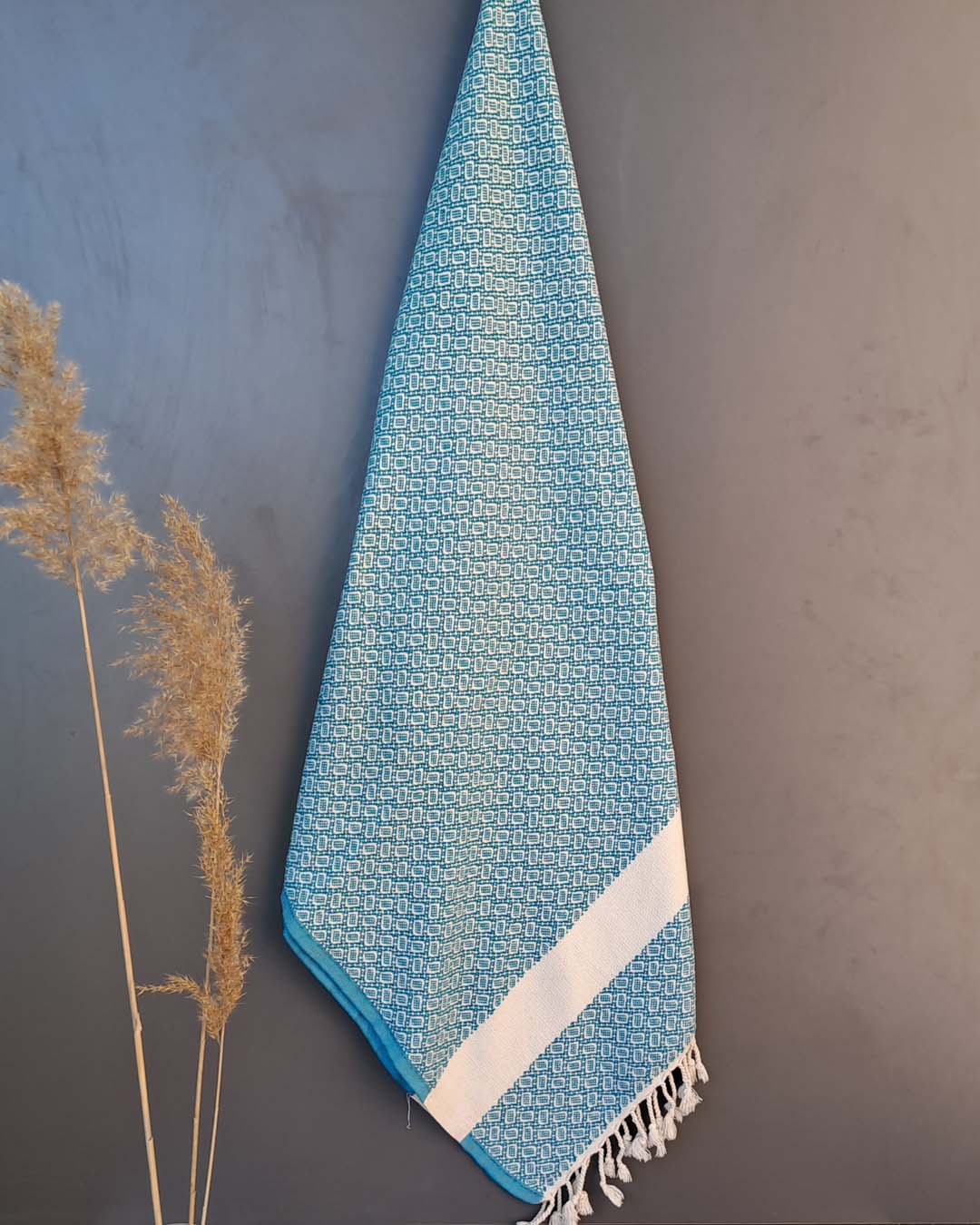
Over the past decade, peshtemal towels (also called peshtemal or Turkish towels) have become one of the most sought-after textile products in global home, spa, and beach markets. Originally used in Turkish hammams for centuries, these lightweight cotton towels are now widely appreciated for their soft texture, fast drying ability, sustainability, and minimalist design.
As consumers across the UK, Europe, and North America become more conscious about sustainability, natural materials, and zero-waste lifestyles, pestemal towels offer a practical alternative to heavy traditional terry towels.
For retailers, hotels, spas, and lifestyle brands, pestemal towels also represent an exciting wholesale opportunity. Their compact design, versatile use, and eco-friendly appeal make them ideal products for businesses looking to expand their textile offerings.
This article explores the key differences between pestemal beach towels and traditional towels, focusing on texture, drying performance, natural materials, and sustainability — while also explaining why pestemal towels are increasingly popular in wholesale textile markets.
What Is a Peshtemal Towel?
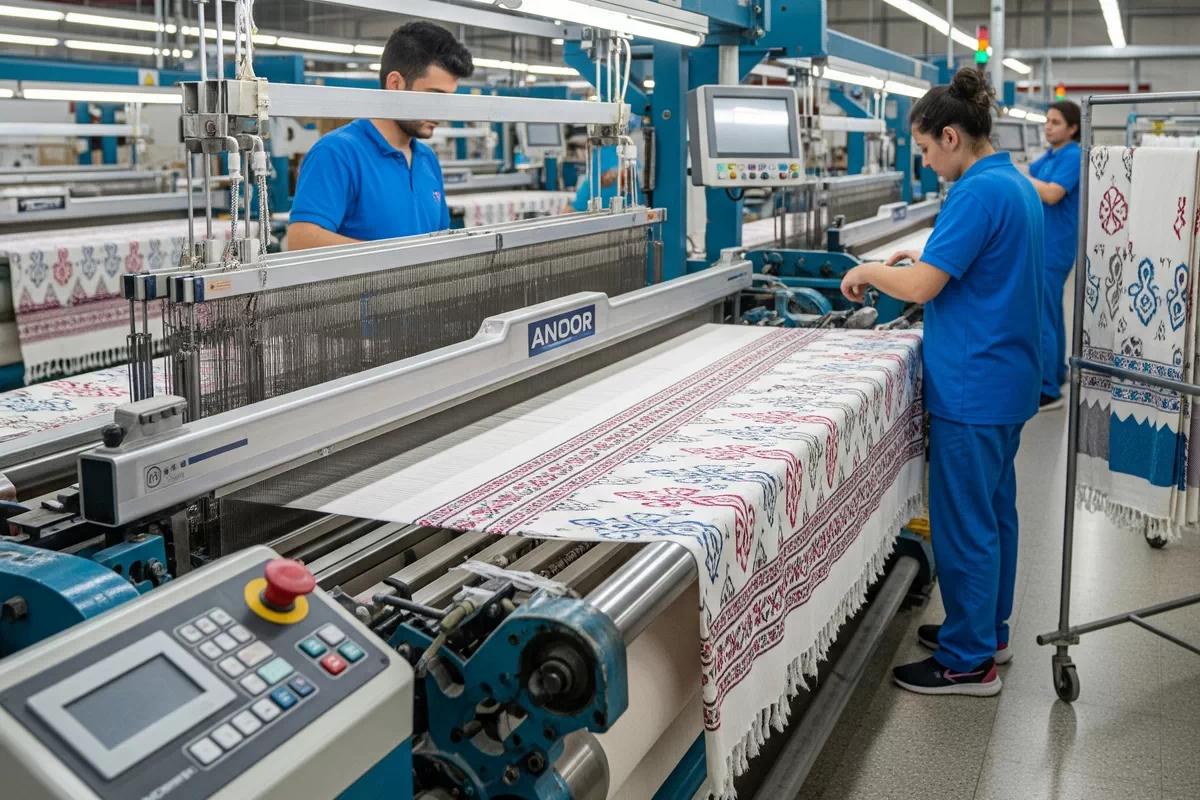
A pestemal towel is a flat-woven cotton textile traditionally used in Turkish bathhouses, known as hammams. Unlike conventional towels, pestemals are woven without thick loops, creating a smooth and lightweight fabric.
Typical characteristics include:
-
Flat woven cotton structure
-
Decorative fringed edges
-
Lightweight design
-
Highly absorbent fibers
-
Compact and foldable form
Because pestemals contain less bulk and fewer fibers than terry towels, they dry much faster and take up less storage space.
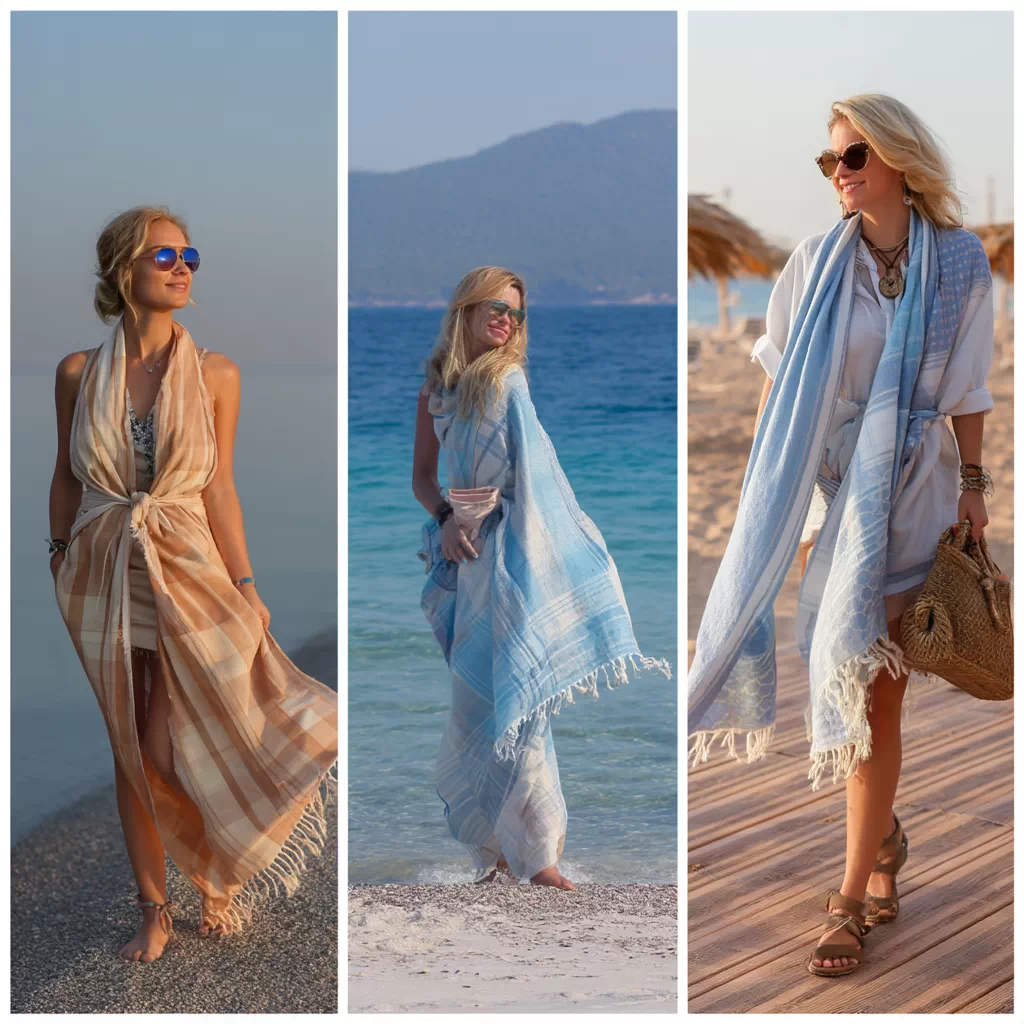
Today, pestemals are used not only in hammams but also as:
-
Beach towels
-
Spa towels
-
Travel towels
-
Yoga blankets
-
Picnic blankets
-
Lightweight throws
Their versatility has helped them gain popularity in global textile markets.
Texture Comparison: Peshtemal vs Traditional Terry Towels
One of the most noticeable differences between pestemal towels and traditional towels is fabric texture.
Traditional Terry Towels
Terry towels use a looped pile structure. These loops create a soft, fluffy surface that absorbs water effectively. However, this structure also has some disadvantages:
-
Traps moisture longer
-
Becomes heavy when wet
-
Requires longer drying time
-
Often accumulates bacteria if not dried properly
Pestemal Towels
Pestemals use a flat woven textile structure, which means the fibers lie flat rather than forming loops.
This results in:
-
A smoother texture
-
Lightweight feel
-
Reduced lint production
-
Improved airflow through the fabric
While terry towels feel thicker initially, many users find pestemals become softer with every wash, creating a pleasant natural cotton texture over time.
Drying Speed: Why Pestemal Towels Dry Faster
One of the biggest reasons pestemal towels are popular for travel and beach use is their fast drying capability.
Why Traditional Towels Dry Slowly
Terry towels contain dense cotton loops that absorb water deeply into the fabric. While this improves water absorption, it also means moisture stays trapped between fibers for longer.
This can cause:
-
Musty smells
-
Slow drying in humid environments
-
Higher washing and drying energy consumption
Why Pestemal Towels Dry Quickly
Because pestemals are thin and flat-woven, air circulates through the fabric more easily, allowing moisture to evaporate quickly.
Benefits include:
-
Faster drying after swimming or showering
-
Less chance of mildew or odor
-
More hygienic daily use
-
Lower energy consumption when washing
For beachgoers, travelers, and outdoor enthusiasts, this feature alone makes pestemal towels highly practical.

Natural Materials: Cotton and Sustainable Fibers
Another reason pestemal towels are gaining international popularity is their natural fiber composition.
Most pestemals are made from 100% cotton, although some varieties also incorporate:
-
Bamboo fibers
-
Linen blends
-
Organic cotton yarns
These natural materials offer several advantages.
Breathability
Natural cotton allows air circulation, making pestemals comfortable in warm climates.
Skin Friendly
Cotton fibers are gentle on sensitive skin and less likely to cause irritation.
Biodegradability
Unlike synthetic microfiber towels, cotton pestemals are biodegradable and environmentally friendly.
Long-Term Durability
High-quality cotton pestemals become softer and more absorbent over time.
For environmentally conscious consumers, natural fibers are an important factor when choosing textile products.
Zero-Waste and Sustainable Textile Benefits
Sustainability is now a major factor influencing consumer decisions. Pestemal towels align well with zero-waste and eco-friendly lifestyles.
Reduced Water Usage
Because pestemals contain less cotton fiber than terry towels, their production often requires less water during manufacturing.
Lower Energy Consumption
Their lightweight structure means:
-
Faster washing cycles
-
Shorter drying times
-
Reduced energy consumption
Minimal Packaging
Pestemals fold compactly, reducing packaging size and shipping materials.
Multi-Purpose Use
Instead of owning separate items like blankets, towels, and scarves, pestemals can serve multiple purposes.
This multifunctional nature supports a minimalist, low-waste lifestyle.
Pestemal Towels for Travel and Beach Use
Pestemal towels are especially popular among travelers.
Lightweight Packing
A typical pestemal weighs far less than a thick terry towel, making it easy to pack in luggage or backpacks.
Sand-Resistant Fabric
Unlike fluffy towels, sand does not cling easily to flat woven cotton.
Compact Storage
They fold into very small sizes, ideal for:
-
Suitcases
-
Gym bags
-
Beach bags
-
Travel backpacks
These qualities make pestemals popular among digital nomads, campers, and beach lovers.
Growing Demand in Global Wholesale Markets
In recent years, pestemal towels have become an important product category in the international textile wholesale market.
Retailers increasingly stock them because they offer:
-
High perceived value
-
Stylish design appeal
-
Eco-friendly branding opportunities
-
Lightweight shipping advantages
Businesses That Frequently Purchase Pestemal Towels Wholesale
-
Beachwear brands
-
Hotels and resorts
-
Spa and wellness centers
-
Yoga studios
-
Lifestyle boutiques
-
Sustainable home brands
-
Online textile stores
Wholesale buyers often prefer pestemals because they ship efficiently and have wide customer appeal.
Why Businesses Prefer Pestemal Towels in Bulk
Buying pestemal towels in wholesale quantities offers multiple advantages for businesses.
Lower Shipping Costs
Because they are lightweight and compact, pestemals significantly reduce shipping expenses compared to thick towels.
Attractive Retail Margins
Their artisanal and sustainable image allows retailers to position them as premium lifestyle products.
Custom Branding Opportunities
Wholesale suppliers often offer:
-
Private label branding
-
Custom colors
-
Logo weaving
-
Packaging customization
Growing Consumer Demand
Sustainable home textiles are one of the fastest growing segments in the lifestyle retail market.
Businesses that stock pestemal towels benefit from this rising demand.
How to Choose High-Quality Pestemal Towels
For retailers and wholesalers, quality is essential.
Important factors include:
Cotton Quality
Long-staple cotton fibers create stronger and softer towels.
Weaving Density
Well-balanced weaving improves durability without sacrificing softness.
Fringe Finishing
Securely knotted fringes prevent unraveling.
Color Fastness
High-quality dyes prevent fading after repeated washing.
Reliable suppliers usually provide consistent production quality for bulk orders.
The Future of Pestemal Towels in Sustainable Textiles
As global consumers move toward eco-friendly home products, pestemal towels are positioned to become a major category in sustainable textiles.
Their advantages align perfectly with modern lifestyle trends:
-
Sustainable materials
-
Minimalist living
-
Travel convenience
-
Multi-purpose design
-
Zero-waste values
This growing awareness is likely to increase demand for pestemal towels across both retail and wholesale markets.
Conclusion
Dokuyorum pestemal towels represent a perfect blend of traditional craftsmanship and modern sustainability. Compared to conventional terry towels, they offer unique advantages in texture, drying speed, natural fiber composition, and environmental impact.
Their lightweight structure, quick drying performance, and eco-friendly appeal make them ideal for beaches, travel, spas, and everyday home use.
At the same time, pestemal towels have become highly attractive products for wholesale textile buyers, thanks to their compact shipping, strong retail potential, and growing popularity in sustainable lifestyle markets.
For businesses looking to expand their product range with natural and versatile textiles, pestemal towels offer a practical and profitable opportunity.