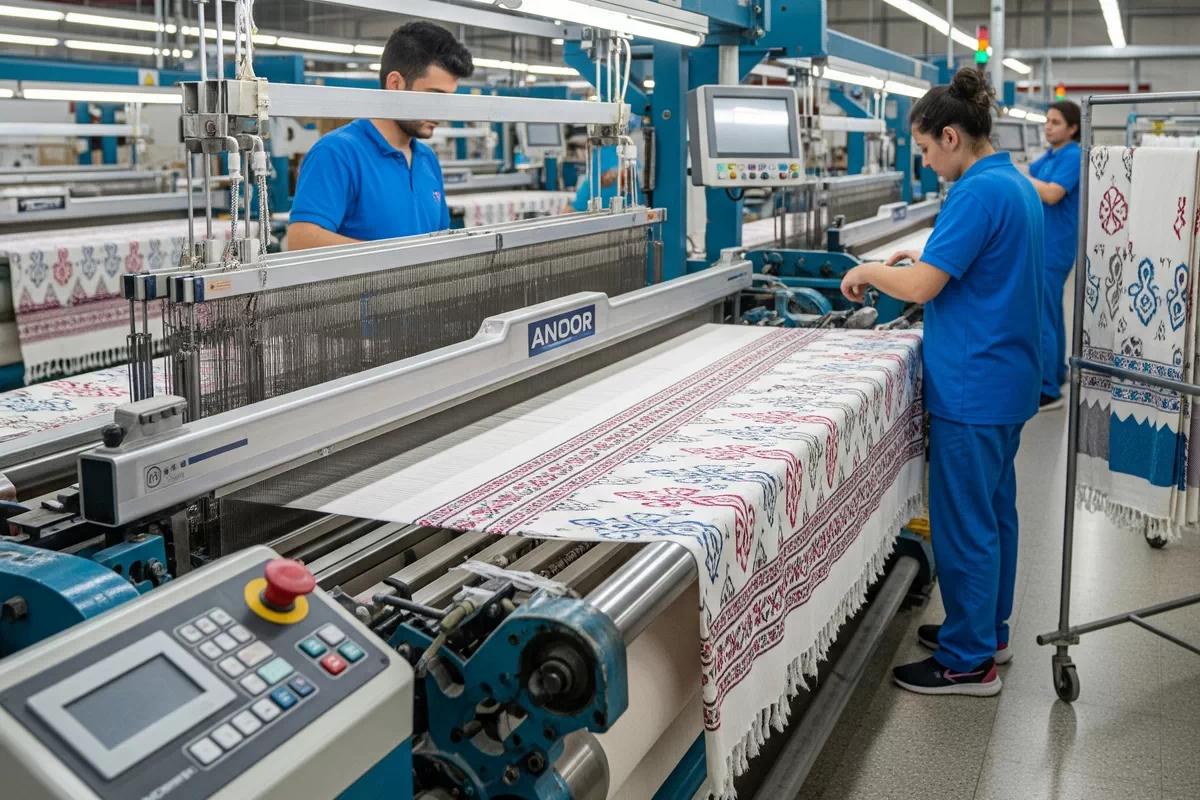
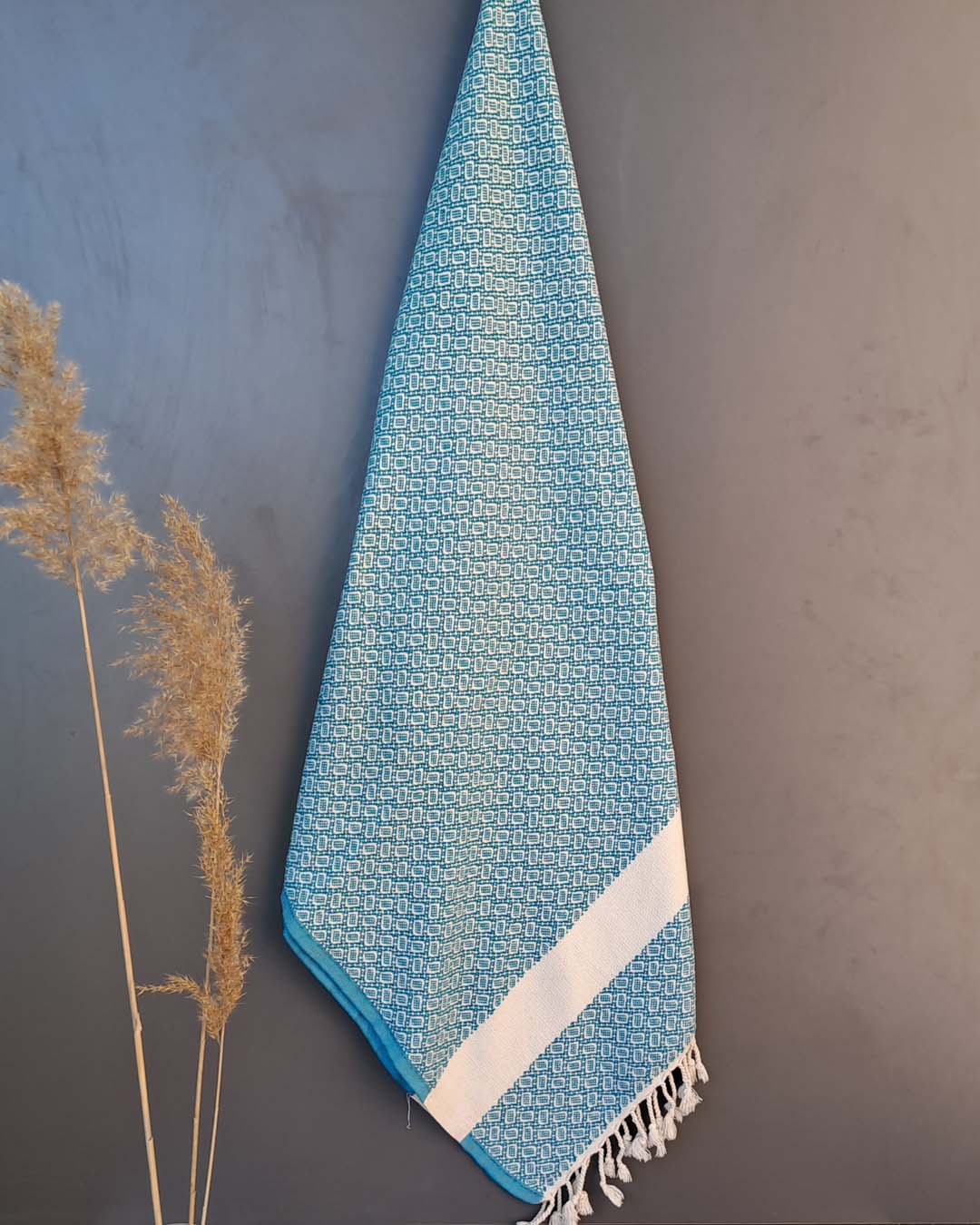
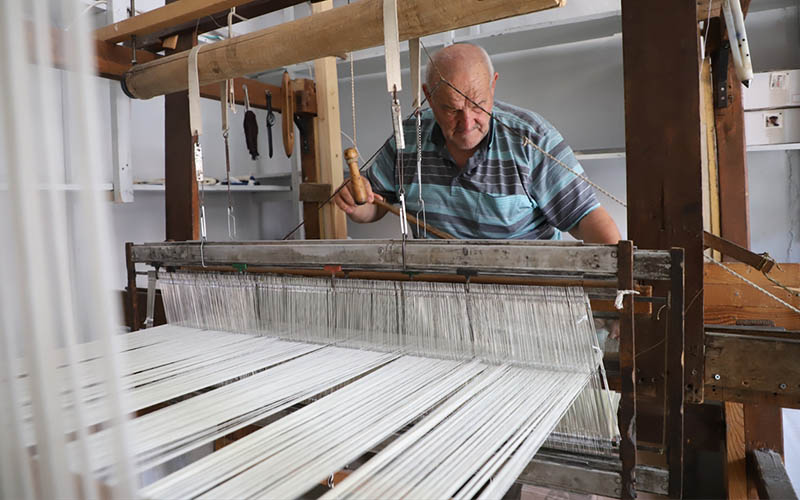
Exporting peshtemals to Europe and the United States involves more than simply producing high-quality textiles. Today’s global market demands compliance with strict regulations, documentation standards, labeling requirements, and sustainable production expectations. As Turkish textile manufacturers expand their presence worldwide, Exporting Peshtemals to Europe and the U.S. has become a strategic process that requires planning, transparency, and export-ready manufacturing capabilities.
This guide explains everything B2B buyers and Turkish manufacturers must know—from fabric standards to labeling rules, sustainability certifications, logistic expectations, and key compliance documents required for smooth and trouble-free exports.

1. Why Exporting Peshtemals to Europe and the U.S. Matters
The global demand for peshtemals has increased significantly in the past decade, especially in spa, wellness, travel, retail, hospitality, and lifestyle sectors. In fact:
-
European consumers increasingly prefer natural cotton textiles.
-
U.S. retailers prioritize fast-drying, lightweight, and multipurpose towels.
-
Sustainability regulations have pushed brands to work with responsible Turkish manufacturers.
With Türkiye’s strong weaving heritage and advanced textile infrastructure, exporting peshtemals has become a major opportunity for manufacturers and private-label brands.
2. Key Advantages of Exporting Turkish Peshtemals to Global Markets
Turkish peshtemals dominate international markets due to:
✔ High-quality long-staple Turkish cotton
Improved softness, absorption, durability.
✔ Modern weaving technologies + handloom tradition
Offers scalable production and artisanal authenticity.
✔ Low MOQs ideal for private label brands
Startups and boutique brands can launch faster.
✔ Fast lead times and proximity to Europe
Turkey’s logistics are faster than most Asian suppliers.
✔ Strong export culture and documentation standards
Manufacturers are experienced with EU and U.S. regulations.
3. Compliance Requirements for Exporting Peshtemals to Europe and the U.S.
Exporting Peshtemals to Europe and the U.S. requires strict adherence to textile compliance regulations. Below are the essential standards expected by global retailers.
3.1 OEKO-TEX® Standard 100 Certification
Most European and U.S. retailers expect OEKO-TEX®-certified textiles.
It ensures:
-
No harmful chemicals
-
Safe contact with skin
-
Environmentally responsible dyeing
This certification is not legally mandatory, but practically required for premium B2B sales.
3.2 REACH Compliance
European buyers require compliance with REACH—a regulation controlling chemical use in textiles.
REACH demands:
-
No restricted dyes
-
No heavy metals
-
Safe finishing processes
Failure to meet REACH standards can result in shipment rejection.
3.3 U.S. CPSIA & FTC Textile Labeling Rules
For exports to the U.S., peshtemals must comply with:
CPSIA Requirements
-
Lead content
-
Chemical safety
-
Child-safe testing (if applicable)
FTC Textile Labeling Rules
Labels must include:
-
Fiber composition
-
Manufacturer identity
-
Country of origin
-
Care instructions
Failing FTC compliance leads to penalties or stock removal from shelves.
3.4 GOTS Organic Certification
Organic brands in Europe and the U.S. increasingly request GOTS-certified peshtemals.
Advantages of GOTS:
-
100% organic cotton guarantee
-
Ethical manufacturing
-
Approved chemical processes
4. Textile Labeling Requirements for Europe and the U.S.
Labels are legally required. A compliant peshtemal label must include:
Mandatory Label Elements
-
Fiber composition (e.g., 100% Cotton)
-
Country of origin (Made in Turkey)
-
Manufacturer or importer identity
-
Washing and care symbols
-
Size (optional but recommended)
Inaccurate or missing labels can cause customs delays or retail rejection.

5. Packaging Requirements for Export-Ready Peshtemals
European Market
-
Eco-friendly packaging
-
Minimal plastic
-
FSC-certified paper preferred
U.S. Market
-
Barcode (UPC/EAN) required
-
Retail-ready packaging
-
Clear fiber labeling
6. Sustainability Expectations in Europe and the U.S.
Sustainability is now a competitive advantage in textile exports.
Requested by EU Buyers
-
Recycled or low-impact packaging
-
Traceable cotton sourcing
-
Reduced carbon footprint
-
OEKO-TEX & GOTS certifications
Requested by U.S. Buyers
-
“Clean” production standards
-
AZO-free dyes
-
Social compliance transparency
Turkish manufacturers adopting sustainable practices gain an edge in global markets.
7. Required Documents for Exporting Peshtemals to Europe and the U.S.
A complete export shipment includes:
Mandatory Documents
Commercial Invoice
-
Packing List
-
Certificate of Origin
-
ATR (for Europe)
-
Bill of Lading or Airway Bill
Optional but Preferred Documents
-
OEKO-TEX certificate
-
GOTS certificate
-
Test reports (color fastness, shrinkage)
-
MSDS for dyes
8. MOQ and Lead Times for Exporting Peshtemals
Manufacturers can vary widely, but in general:
Typical MOQ
-
50–200 pcs per color for machine-woven peshtemals
-
20–50 pcs for handloom peshtemals
Lead Times
-
2–4 weeks for standard products
-
4–8 weeks for private label custom designs
Exporting Peshtemals to Europe and the U.S. requires reliable production planning to avoid seasonal delays.
9. Logistics & Shipping Options for Europe and the U.S.
Shipping to Europe
-
Road transport: 3–7 days
-
Air freight: 1–3 days
-
Sea freight: 7–14 days
Shipping to the U.S.
-
Air freight: 3–5 days
-
Sea freight: 20–35 days
U.S. retailers often prefer FOB or CIF shipping arrangements, while European buyers use DDP or DAP more frequently.
10. Quality Control Guidelines for Export-Ready Peshtemals
To avoid returns and customs issues, quality control must be applied at multiple stages:
QC Stages
-
Pre-weaving yarn inspection
-
In-loom inspection
-
Pre-washing and finishing QC
-
Final packaging QC
QC prevents inconsistencies in:
-
GSM
-
Weave density
-
Color fastness
-
Shrinkage
-
Fringe finishing
11. Common Mistakes When Exporting Peshtemals to Europe and the U.S.
1. Missing or incorrect labeling
Causes fines and customs issues.
2. Not following EU REACH dye restrictions
Shipments can be destroyed.
3. No proof of sustainability
Buyers may refuse long-term partnership.
4. Poor documentation management
Delays customs clearance.
5. Inconsistent product quality
Retailers require repeat production consistency.
12. Why Turkish Manufacturers Have an Export Advantage
Türkiye offers unique competitive benefits:
✔ Strong textile tradition
Centuries of weaving knowledge.
✔ Modern export infrastructure
Experienced manufacturers, strong logistics.
✔ Compliance familiarity
Turkey regularly exports to Europe and the U.S.
✔ High flexibility
Ideal for boutique and large-scale B2B buyers.
13. Internal Links
Bunları kendi sitenden uygun URL’lere bağlayabilirsin:
-
Private Label Peshtemal Production in Turkey
-
Why Turkish Peshtemal Manufacturers Lead the Global Market
-
Turkish Peshtemal Wholesale Guide
14. External Links (DoFollow)
(SEO için zaten yukarıda ekledim)
-
OEKO-TEX
-
REACH
-
FTC Textile Labeling Rules
-
GOTS
15. Conclusion & CTA
Exporting Peshtemals to Europe and the U.S. requires a strong understanding of regulations, textile compliance, labeling accuracy, sustainability, and the full export documentation process. By working with an experienced Turkish peshtemal manufacturer, brands can ensure smooth, compliant, and scalable exports while achieving consistent product quality.
If your brand is ready to work with a reliable production partner for export-ready peshtemals, we can help you navigate the entire process—from weaving to documentation.
👉 Dokuyorum Contact us today to discuss private label production, export compliance, and B2B wholesale peshtemal manufacturing.